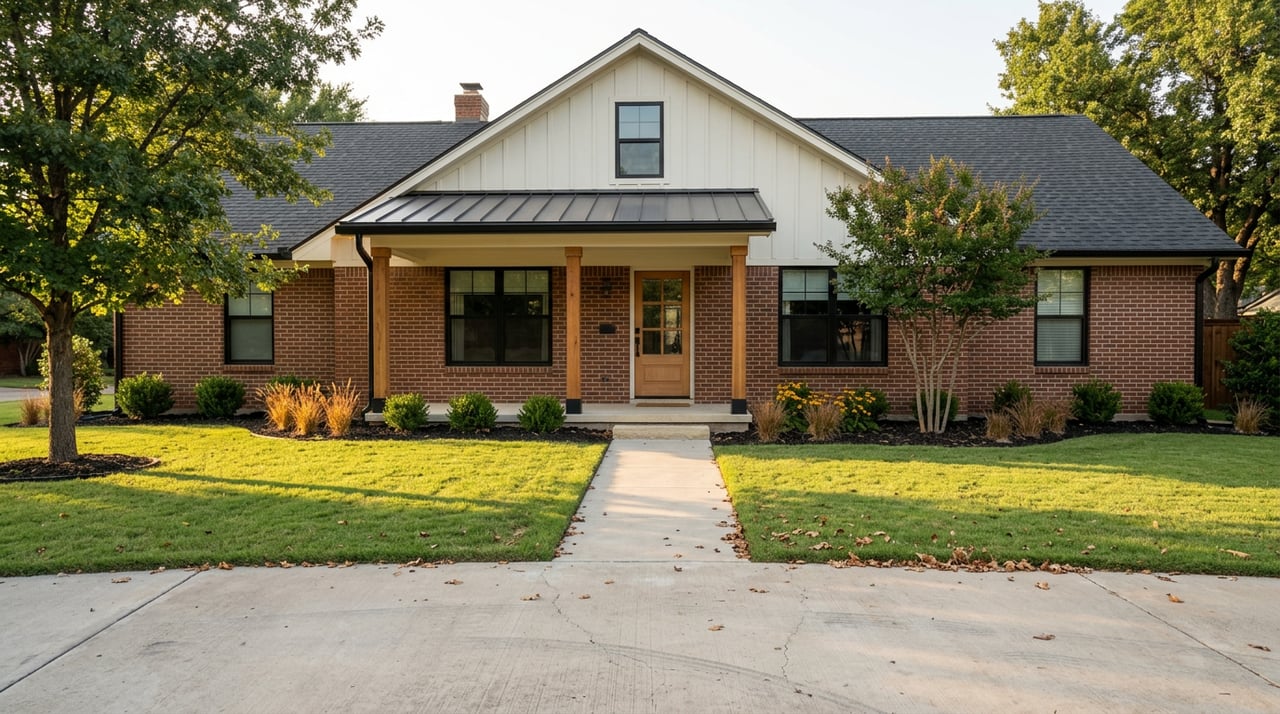
A seller in Chickasha patches a hairline crack along the baseboard in March, signs the disclosure statement in April, and lists the house that same week. By the time an offer gets accepted, it is often June. The buyer's inspector walks the same wall and finds a new crack six inches from the one that got patched. Nobody lied. The house just kept moving after the paperwork was signed.
That gap between when a seller signs a disclosure and when a deal actually closes is longer in Chickasha than most sellers assume, and it happens to fall across exactly the stretch of the year when Oklahoma's clay soil does its most dramatic work. This is the part of a Chickasha transaction that rarely gets explained clearly: the ground under a listed house is not static during a sale. It is often actively swelling or shrinking while the contract works its way to the closing table.
The 89-day gap between listing and offer
As of July 2026, homes for sale in Chickasha spent a median of 89 days on the market before going under contract, a figure unchanged from August 2025. That number covers only the time from listing to accepted offer. Add a typical closing window after that, and the full span from list date to closing day frequently runs well past three months.
Three months is plenty of time for Oklahoma's soil to change shape more than once.
What the clay is doing while the house sits
Central Oklahoma sits on expansive red clay that swells when it absorbs rain and contracts when it dries out. This isn't an abstraction specific to Oklahoma City or Tulsa. Contractors who work driveways and slabs in Chickasha itself point to the same cause behind the sinking and settling they see locally, tied directly to the area's clay soil and freeze-thaw cycles. Foundation specialists who work across the state describe the swelling phase as fast: after a stretch of heavy spring rain, clay soil can push upward with several thousand pounds of pressure per square foot, and the movement itself can happen within six to eight weeks, according to a technical breakdown from Vesta Foundation Solutions.
That is faster than most Chickasha listings sell.
The reverse happens in dry heat: the same clay pulls away from the foundation as it loses moisture, which is part of why late-summer months like this one can produce a different set of cracks than the ones that showed up in April. A house that looked solid at listing in the spring can show new stress by late summer, not because anything was hidden, but because the soil finished a cycle the transaction hadn't caught up to yet.
What Oklahoma law actually requires when a new crack shows up mid-contract
Oklahoma sellers are required to complete a Residential Property Condition Disclosure Statement under the state's Residential Property Condition Disclosure Act, and the current 2026 form asks the question directly:
"Are you aware of any defect or condition affecting the interior or exterior walls, ceilings, roof structure, slab/foundation, basement/storm cellar, floors, windows, doors, fences or garage?"
That question sits on the official 2026 disclosure form published by the Oklahoma Real Estate Commission, and it is meant to reflect the seller's actual knowledge at the moment the form is signed, not a permanent snapshot of the house.
That last part matters more than most sellers realize. If a seller becomes aware of a new defect after delivering the disclosure statement but before an offer is accepted, the form itself requires them to deliver an amended statement disclosing it. A disclosure statement is also only valid for 180 days from the date it was signed. If the timeline stretches past that window, which is realistic given how long homes in Chickasha typically sit before going under contract, a fresh statement may be needed anyway.
This is general information about how the disclosure process works, not legal advice for any specific transaction. Sellers dealing with a newly discovered crack mid-contract should loop in their agent and, when the situation is unclear, a real estate attorney.
The part of a slow market nobody prices in
A slower market gets talked about almost entirely in terms of negotiating leverage: more days on market usually means more room to ask for repairs or a price adjustment. What gets missed is that the same slow pace stretches out the physical exposure window too. A house that sits for 89 days before an offer, then another several weeks to close, has more time for the soil underneath it to shift categories entirely, from "quiet" to "actively moving" and back again.
That is not an argument against selling in Chickasha. It is an argument for treating the disclosure statement as something that may need a second look partway through a transaction, rather than a form you complete once in April and never revisit.
What sellers can do before it becomes a renegotiation
A few habits keep a mid-contract crack from becoming a surprise renegotiation instead of an expected update:
- Get ahead of it before listing. A pre-list inspection that specifically checks slab and foundation conditions gives a seller a documented baseline, so any change that shows up later during the buyer's inspection has context.
- Photograph existing cracks with dates. If a hairline crack already exists at listing, a dated photo makes it easy to show whether something changed or whether it is the same condition already disclosed.
- Keep repair records if any foundation work has been done. Buyers and their lenders often want to see documentation, not just a verbal assurance that something was fixed.
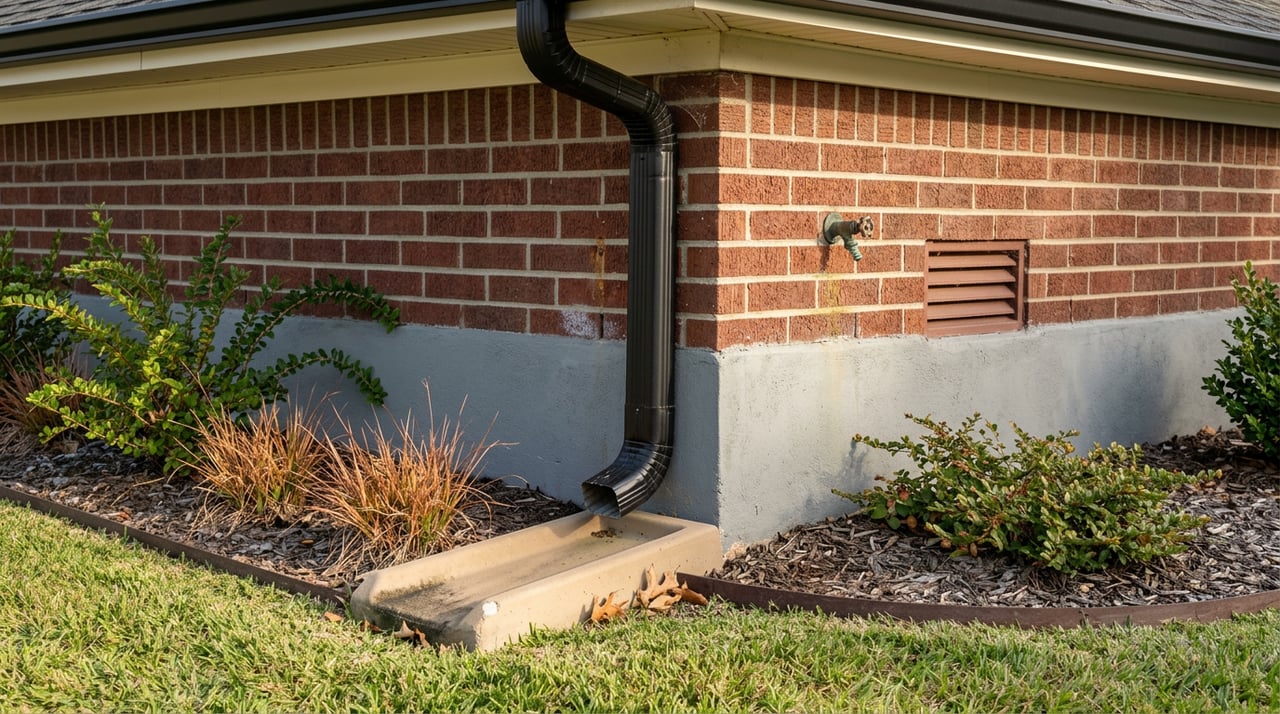
- Watch drainage through the transaction, not just before it. Downspouts and grading that direct water away from the foundation matter more during a long closing window, when a few extra weeks of rain or drought can tip the soil one direction or the other.
- Budget realistically if repair does come up. Foundation repairs across Oklahoma commonly run between $2,000 and $15,000 depending on the method and severity, which is a wide enough range that a rough estimate from an inspector's report is not the same as a firm number from a foundation contractor.
For Chickasha specifically, homeowners dealing with a foundation question do not have to start from scratch. PowerLift Foundation Repair operates a local Chickasha office and has worked on foundations throughout the city and the surrounding area for more than three decades, which means a second opinion or a scoped estimate does not require driving to Oklahoma City.
FAQ
Does a seller have to update the disclosure form if a new crack appears after they've already signed it? Yes, if it happens before an offer is accepted. Oklahoma law requires an amended disclosure statement once the seller becomes aware of a defect that wasn't included in the original form.
How long does a signed disclosure statement stay valid? 180 days from the date the seller completes it. Given how long Chickasha listings can take to go under contract, that window is worth tracking rather than assuming it covers the whole sale.
If a buyer's inspector finds a crack that wasn't there at listing, does that automatically mean something was hidden? Not necessarily. Oklahoma's clay soil genuinely moves within weeks during heavy rain or extended dry heat, so a change between listing and inspection can reflect real seasonal movement rather than a disclosure problem. The safest approach on both sides is documentation, not assumption.
A foundation question mid-contract doesn't have to stall a sale, but it goes smoother when someone on your side already understands how Chickasha's soil, timeline, and disclosure law fit together. If you're weighing when to list, or you're partway through a deal and want a straight answer about what a new crack actually means for your closing date, Trey and Stephanie Real Estate can walk through it with you. Ready to buy or sell? Give us a call.