If you have been dreaming about more space, a shop, a few animals, or just room to breathe, acreage near Tuttle can be a great fit. But buying a small farm or rural property is different from buying a house in town, and the details matter more than many buyers expect. In this guide, you will learn what to check before you buy, what questions to ask, and how to evaluate land, utilities, and improvements with confidence. Let’s dive in.
Why acreage near Tuttle is different
Not every property near Tuttle works the same way, even if the listings look similar online. A home inside Tuttle city limits may have access to city water, sewer, natural gas, and solid waste service, while a property outside the city may rely on private systems and county conditions.
That difference affects your budget, your inspections, and your long-term maintenance. The City of Tuttle notes that residents within city limits should secure potable water from the city system and connect to sanitary sewer when feasible, and if a utility service line is more than 100 feet from an existing main, the extra line cost may fall on the customer.
On rural acreage, you also need to look past the house itself. Oklahoma State University notes that many rural homes use private wells and septic systems, which require more owner attention than a standard in-town setup.
Start with boundaries and access
Acreage listings can be exciting, but the first thing to confirm is what you are actually buying. You should never assume that fences, driveways, or visible improvements match the legal property boundaries.
OSU recommends checking for an existing survey or plot plan, reviewing easements and setback requirements, and identifying any covenants, codes, or restrictions tied to the property. It also recommends locating buried cables, septic tanks, wells, electric meters, and water meters before a purchase is finalized.
Why easements matter
Easements can affect how you use the land and how you get to it. In Oklahoma, easements may involve driveway access, utilities, pipelines, highway rights of way, or even the right to flood or redirect water flow across property.
Some parcels also depend on access easements if they do not front a public road. OSU also notes that mineral rights can be separated from surface rights in Oklahoma, so acreage ownership is not always as simple as the number of acres on paper.
Questions to ask early
Before you move too far into a contract, ask questions like:
- Is there a current survey or legal description to review?
- Does the property have recorded access?
- Are there utility, pipeline, or drainage easements?
- Are mineral rights included, excluded, or unknown?
- Do the visible fence lines appear consistent with the legal boundaries?
These are the kinds of details that can save you from surprises later.
Check utilities before you fall in love
Utilities are one of the biggest differences between in-town homes and small farms near Tuttle. Two properties with the same price and acreage may have very different operating costs and maintenance needs.
If the property is in or near town, ask whether city water and sewer are available. If it is outside city service areas, you may need to evaluate a private well, septic system, propane, or other rural utility arrangements.
Private well basics
Private wells are common in rural Oklahoma, and the owner is responsible for the water’s safety and adequacy. According to the Oklahoma Department of Environmental Quality, private wells in Oklahoma are not regulated by federal or state government, so testing and maintenance fall on the property owner.
OSU recommends annual testing at minimum for nitrates, total dissolved solids, pH, and fecal coliform bacteria. Water can be unsafe even if it looks clear and smells fine, so testing matters.
If nearby land uses raise concerns, more testing may be needed. DEQ and OSU both point out that conditions such as livestock, intensive agriculture, oil and gas activity, or flooding can affect what kind of water testing is appropriate.
If a property needs a new well or well work, the Oklahoma Water Resources Board says the state licenses well-drilling and pump-installation professionals. That makes licensed local professionals an important part of your due diligence.
Septic system basics
If municipal sewer is not available, the property will likely need an on-site septic system. OSU and the Oklahoma DEQ both note that septic approval and system type depend on the site’s soil profile and other property-specific conditions.
In plain terms, septic is not a quick yes-or-no issue. The land itself helps determine what kind of system may work there.
OSU also recommends locating and mapping the septic system. If the tank has not been pumped in the last three to five years, OSU advises calling a licensed septic tank pumper.
Soil and drainage matter more than you think
If you want pasture, a garden, a shop pad, or room for future improvements, the land itself deserves a close look. A pretty view does not tell you how the soil drains, whether water stands after a storm, or how suitable the property may be for septic or forage.
OSU recommends using Web Soil Survey as a planning tool to review site-specific soil maps, drainage, and land-use factors. It can also help with rangeland and forage planning, which is useful if you want a hobby farm setup.
Flood risk is parcel-specific
Flood risk should be checked property by property, not guessed based on the road or the surrounding area. FEMA identifies its Flood Map Service Center as the official public source for flood-hazard information, and maps can change over time.
That means one part of a larger tract may function differently from another. If you are buying acreage near a creek, low area, or drainage path, flood review should be part of your process.
Look closely at barns, shops, and sheds
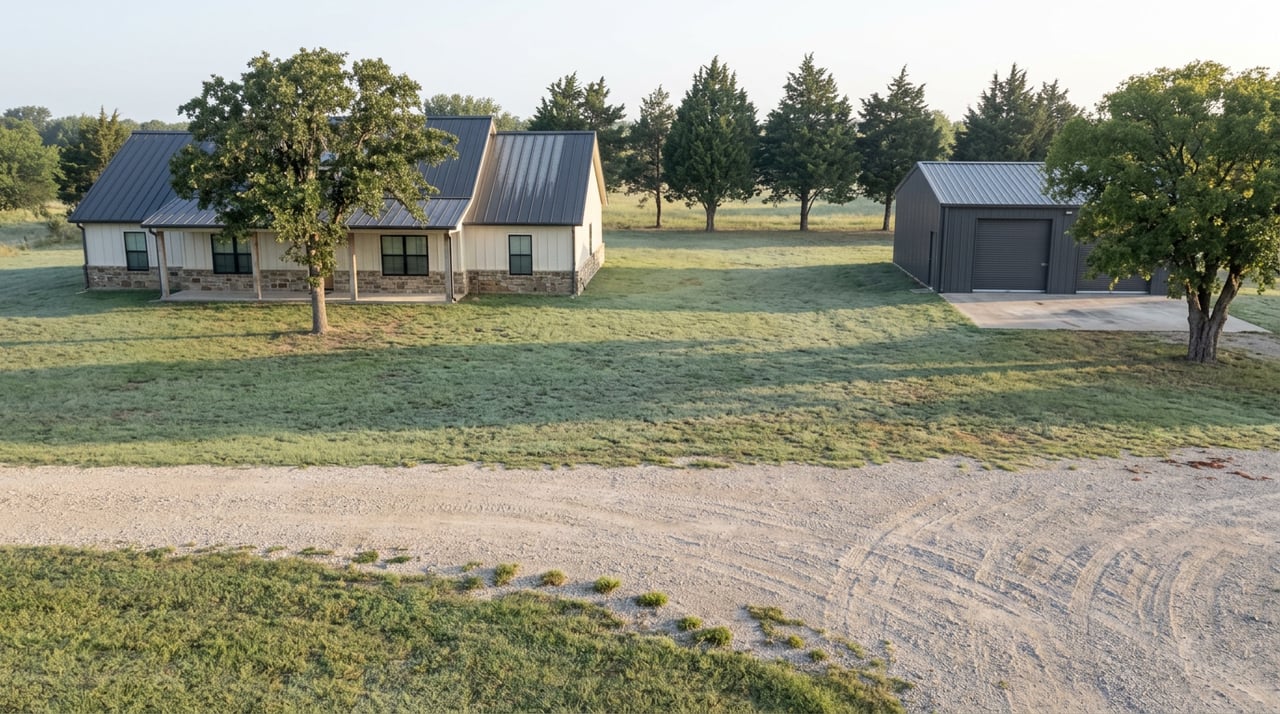
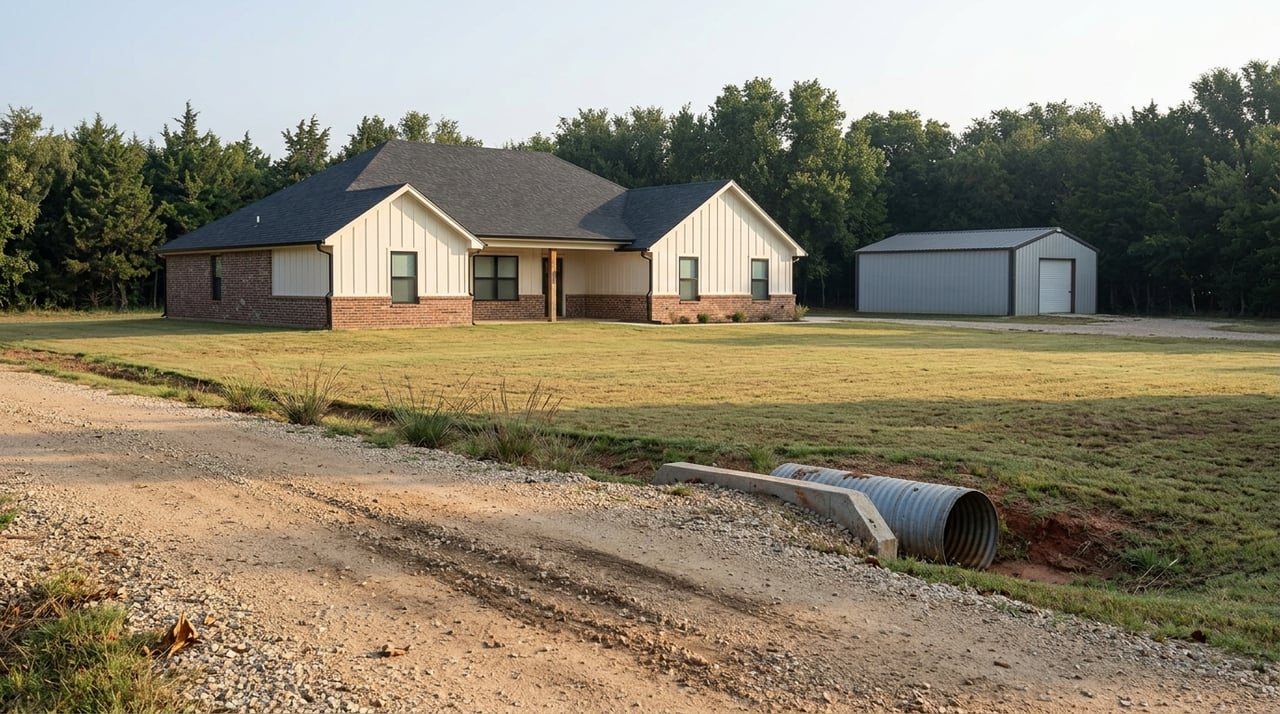
Outbuildings can be a major reason buyers choose acreage near Tuttle. A barn, shop, shed, or workshop can add real function, but only if it fits your intended use and is in sound condition.
OSU’s planning guidance encourages buyers to think through service areas such as storage, dog runs, greenhouses, outbuildings, and workshops. It also stresses the importance of knowing where utilities and buried lines are located, since those systems affect how the whole property works.
Match the structure to the job
Before you count a shop or barn as a major plus, think about what you need it to do. A building that works for storage may not work for equipment, animals, projects, or future improvements.
Take a practical look at:
- Roof condition
- Doors and access clearance
- Siding and exterior wear
- Ventilation
- Floor or slab condition
- Utility connections nearby
- Safe function for your intended use
If there are concerns about the condition of the property, OSU recommends a licensed professional inspection. The same common-sense approach applies to rural outbuildings, not just the house.
Think about fire safety and emergency access
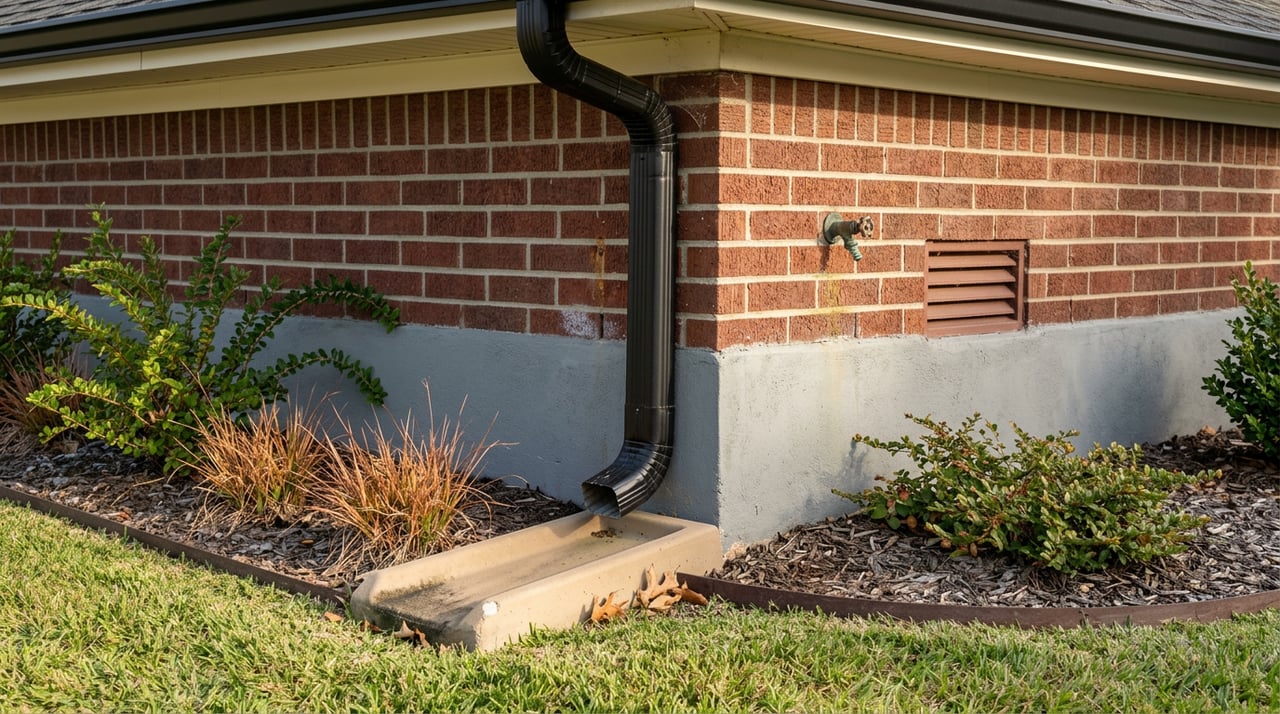
On acreage, emergency planning is part of smart ownership. OSU notes that homeowners should clear leaves and debris from roofs and gutters, keep flammable materials away from exterior walls, and consider fire-resistant materials and ember-resistant screening around barns and other buildings.
OSU also points out that wildfires can affect power lines and rural water supplies. For small farms and acreage properties, it is smart to discuss access, turn-around space, and basic fire protection planning early in the buying process.
Financing can depend on the exact address
If you are considering USDA financing, exact property location matters. USDA Rural Development offers single-family programs that may allow purchase or construction with no money down in eligible rural areas, but property eligibility depends on the specific address and final determination comes after a complete application.
That is one more reason not to make assumptions based on a general area map or a listing description. A parcel near Tuttle may or may not qualify depending on the exact location.
A simple acreage buyer checklist
When you are comparing small farms and acreage near Tuttle, keep this short list handy:
- Confirm whether the property is inside Tuttle city limits or in rural county area
- Ask about city utilities versus private well and septic
- Review survey, legal access, and easements
- Check whether mineral rights are addressed
- Identify wells, septic systems, meters, and buried lines
- Review soil and drainage conditions
- Check parcel-specific flood information
- Evaluate barns, shops, and sheds for condition and function
- Plan inspections with the right professionals
- Confirm financing options based on the exact address
Why local guidance helps
Acreage purchases usually involve more moving parts than a typical in-town home. You may be weighing land use, outbuildings, water, septic, access, and financing all at once.
That is where a hands-on, organized process makes a difference. When you have clear communication and a step-by-step plan, it is much easier to sort through the details and focus on the properties that truly fit your goals.
If you are thinking about buying acreage or a small farm near Tuttle, working with a local team can help you ask the right questions early and avoid wasting time on properties that do not match your needs. When you are ready to start your search, connect with Stephanie Adams for practical guidance and a responsive, boots-on-the-ground approach.
FAQs
What should you verify first when buying acreage near Tuttle?
- Start by confirming boundaries, legal access, easements, and whether the property is inside Tuttle city limits or in a rural county area.
What utility questions matter most for small farms near Tuttle?
- You should ask whether the property has city water and sewer or relies on a private well and septic system, because that affects maintenance, inspections, and future costs.
What should you know about private wells on rural Oklahoma property?
- Private well owners are responsible for water safety and adequacy, and OSU recommends at least annual testing for key water-quality measures.
What should you know about septic systems on acreage in Oklahoma?
- Septic systems are site-specific, and approval depends on soil conditions and property features rather than a one-size-fits-all standard.
Why do surveys and easements matter on acreage near Tuttle?
- Fence lines and driveways may not match legal boundaries, and easements can affect access, utilities, drainage, and how you use the land.
How should you evaluate barns and shops on a small farm property?
- Look at structural condition, utility access, and whether the building safely supports your intended use for storage, equipment, animals, or projects.
How do you check flood risk for acreage near Tuttle?
- Flood risk should be reviewed on a parcel-specific basis using official flood-hazard mapping rather than assumed from the general area.
Can acreage near Tuttle qualify for USDA financing?
- Some properties may qualify, but eligibility depends on the exact address and final review through the USDA Rural Development process.