Are you torn between the ease of living in town and the freedom that comes with a few acres outside Chickasha? That is a common decision for buyers here, and it is not always about price alone. Your best fit often comes down to how you want to live day to day, how much maintenance you want to handle, and how comfortable you are with private property systems. Let’s dive in.
Why this choice matters in Chickasha
Chickasha gives you a little of both worlds. The city is small enough that local errands can still feel convenient, but it is also close enough to larger metro access to make location and property type a real lifestyle choice.
The U.S. Census Bureau estimates Chickasha’s population at 17,014 in 2024, and Census QuickFacts shows a mean travel time to work of 18.8 minutes. The city also notes that Chickasha is about 30 minutes south of the Oklahoma City metro and accessible by U.S. 81, U.S. 62, and I-44. That means whether you choose in-town living or acreage, your routine may still be manageable, but the ownership experience can look very different.
What in-town living offers
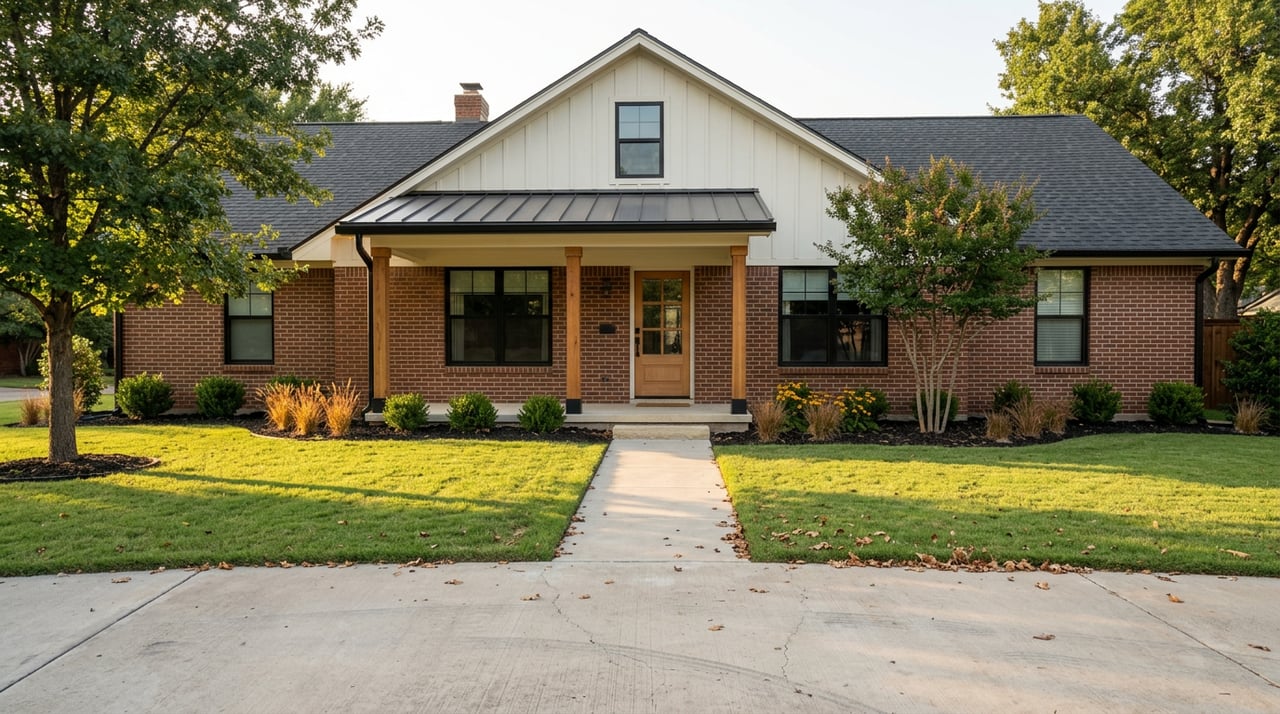
For many buyers, in-town Chickasha means simpler daily living. City services are centralized, and that can make budgeting and upkeep feel more predictable.
City utilities are easier to manage
Chickasha’s Utility Billing department handles water, sewer, sanitation, and recycling services for about 7,000 customers. The city also offers online bill pay, automatic bank drafts, and an after-hours drop box.
That setup can be a big advantage if you want fewer moving parts after closing. Instead of managing private systems, you are usually working with one city-based utility structure for core services.
Ongoing costs may be more predictable
The city’s published fee schedule shows a residential water minimum of $42.80 inside city limits and $85.60 outside city limits. That difference highlights how much city boundaries can matter when you compare monthly ownership costs.
If predictability matters to you, in-town living may feel easier to budget. You are often dealing with fewer unknowns related to water and wastewater systems.
Daily errands can stay close to home
The city describes Chickasha as a place where residents can access healthcare providers, groceries, hardware, building supplies, and other everyday services locally. Paired with the local commute data, that supports the idea that in-town homes can make work, errands, and appointments feel more routine.
That does not mean you will never drive, but it can mean less time thinking about distance every time you need to run a quick errand.
What acreage can give you
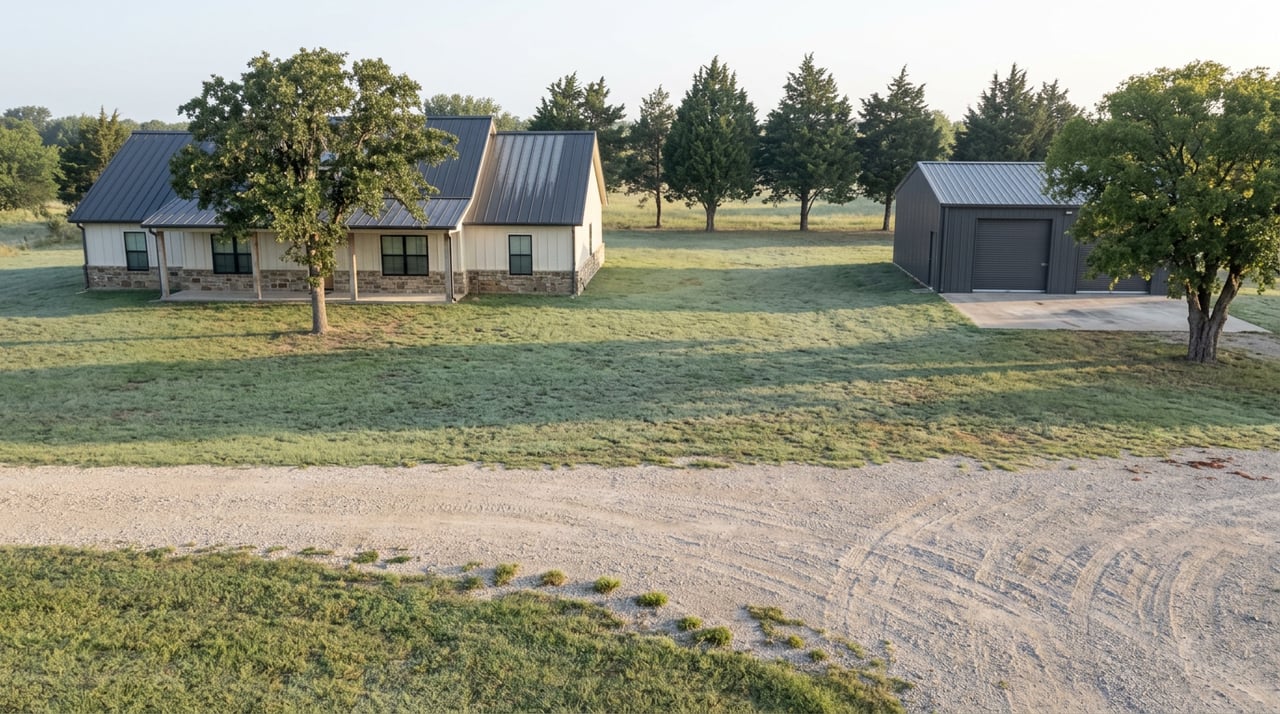
If your dream is more privacy, more elbow room, or space for a shop, barn, or animals, acreage may be the better fit. This is where lifestyle starts to outweigh convenience for many buyers.
More space and flexibility
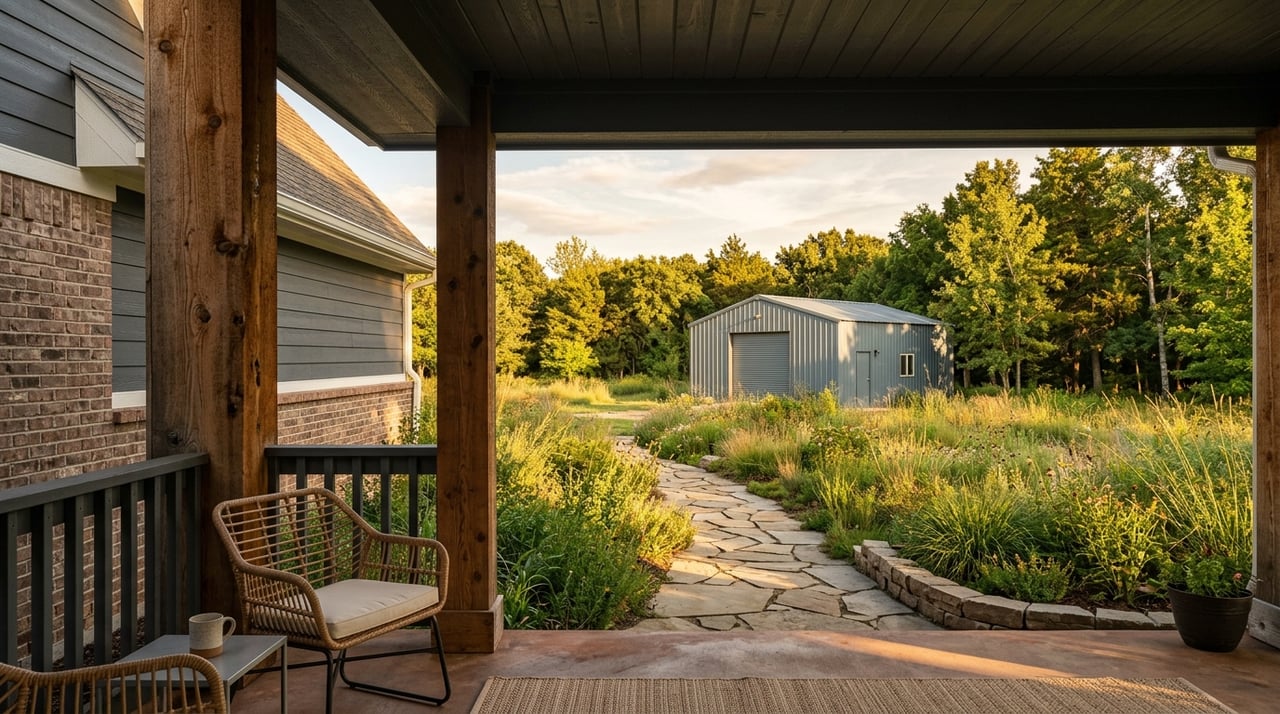
Acreage often gives you room to spread out in a way that in-town lots usually cannot. You may have more options for outdoor storage, larger outbuildings, equipment, fencing, or simply a more private setup.
For buyers who want land to support hobbies, animals, or a rural routine, that added flexibility can be the whole point. The tradeoff is that more land usually comes with more responsibility.
More systems to understand
Outside of town, the utility picture can change quickly. Oklahoma DEQ says many rural homes are not served by public sewer systems and instead rely on on-site sewage systems, which are the homeowner’s responsibility to maintain.
DEQ also states that new or modified on-site systems require a Report for On-Site Sewage, an Authorization to Construct, and inspection and approval before use. That means septic is not just a box to check. It is a system you need to understand before you buy.
Private wells require owner oversight
If a property uses a private well, water quality becomes your responsibility as the owner. OSU Extension recommends annual testing for nitrates, total dissolved solids, pH, and fecal coliform.
OSU also advises keeping at least 75 feet between a water well and a septic system, or 100 feet if the well is downslope of the septic drain field. For acreage buyers, this is one of the most important details to verify during due diligence.
The real tradeoff: convenience vs. control
In-town properties usually offer more convenience and fewer systems to manage. Acreage usually offers more control over your space and how you use it.
Neither option is automatically better. The right choice depends on whether you value a simpler routine or greater land flexibility more.
Questions to ask at every showing
When you tour homes in and around Chickasha, it helps to ask the same practical questions each time. That keeps you focused on ownership reality, not just first impressions.
For in-town and edge-of-town homes
- Is the property inside Chickasha city limits or outside them?
- If it is connected to city water, is it billed at inside-city or outside-city rates?
- What utilities are city-managed versus privately maintained?
These questions matter because a home that feels close to town may still come with outside-city utility pricing or a different service setup.
For acreage properties
- Does the property have a private well or city water?
- If it has a private well, are recent water test results available?
- Are there well records the seller can provide?
- Does the property use septic, and if so, when was the tank last pumped?
- Is there DEQ paperwork showing system approval or installation records?
These are not small details. They directly affect maintenance, cost, and your comfort level after move-in.
For the land itself
- Does the lot’s size and shape support the current septic setup?
- Has the soil or site required an alternative system?
- Does the access drive hold up well after rain?
- Does the property already have the fencing, shop, barn, or outdoor features you need?
DEQ notes that lot size, shape, and soil test results can determine whether an alternative system is required. So when you buy acreage, you are not just buying a house. You are buying the full function of the land.
How to decide what fits your lifestyle
If you are still unsure, it helps to picture a normal Tuesday instead of a dream weekend. Think about your commute, grocery runs, utility management, yard work, and how much time you want to spend maintaining the property.
In-town may be right for you if:
- You want municipal utilities and a more straightforward setup
- You prefer easier access to local services and errands
- You want fewer property systems to monitor and maintain
- You do not need much room for large outbuildings or a more private layout
Acreage may be right for you if:
- You want more privacy and outdoor flexibility
- You need room for equipment, hobbies, or animals
- You are comfortable reviewing well and septic records
- You are prepared for more hands-on property maintenance
This is often less about location and more about ownership style. Some buyers want simplicity. Others want space and are happy to trade convenience for it.
A practical Chickasha rule of thumb
A simple way to frame this decision is to ask yourself what kind of burden you want to carry as an owner. If you want the easiest routine, in-town Chickasha often makes sense.
If you want more land and more freedom in how you use the property, acreage may be worth the extra homework. The key is going in with clear expectations and asking the right questions before you make an offer.
When you are weighing in-town living against acreage, having a local team walk through the details with you can save time and stress. If you want help comparing properties around Chickasha and making sense of utility setups, land features, and what fits your day-to-day life, reach out to Stephanie Adams.
FAQs
What is the main benefit of living in-town in Chickasha?
- In-town living usually offers easier access to city-managed utilities, more predictable monthly services, and a simpler daily routine for errands and commuting.
What should acreage buyers near Chickasha ask about septic systems?
- Ask when the septic tank was last pumped, whether DEQ paperwork is available, and whether the system has been inspected and approved.
What should buyers ask about a private well near Chickasha?
- Ask for the most recent water test results, any available well records, and confirmation that the well is properly separated from the septic system.
How do city water rates differ in and around Chickasha?
- Chickasha’s published fee schedule shows a residential water minimum of $42.80 inside city limits and $85.60 outside city limits.
How can you decide between in-town and acreage in Chickasha?
- A good starting point is to compare your need for convenience, your desire for land and privacy, and your comfort with maintaining private systems like wells and septic.