Wondering whether a shop-home or barndominium makes sense in Blanchard? You are not alone. Many buyers love the idea of extra workspace, more land, and a home that fits a rural Oklahoma lifestyle, but the right choice depends on zoning, permits, financing, insurance, and the property itself. This guide will help you sort through those moving parts so you can make a smarter decision before you buy or build. Let’s dive in.
Shop-Home vs. Barndominium Basics
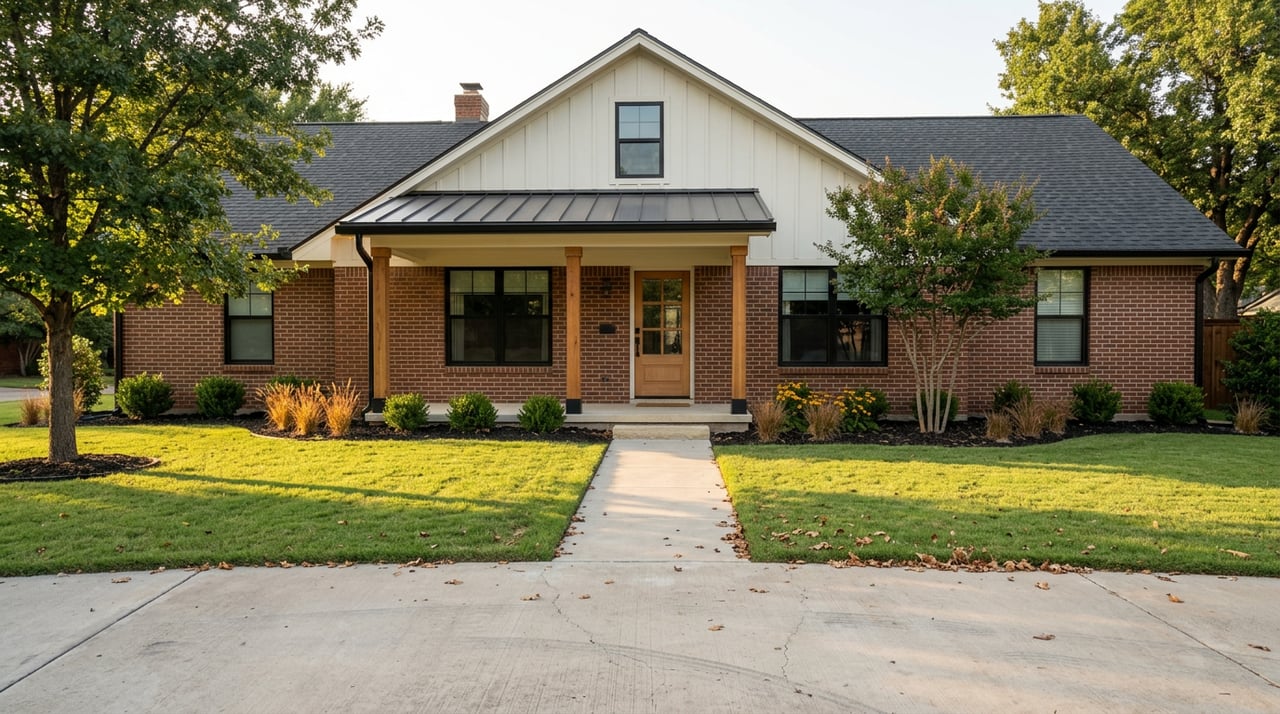
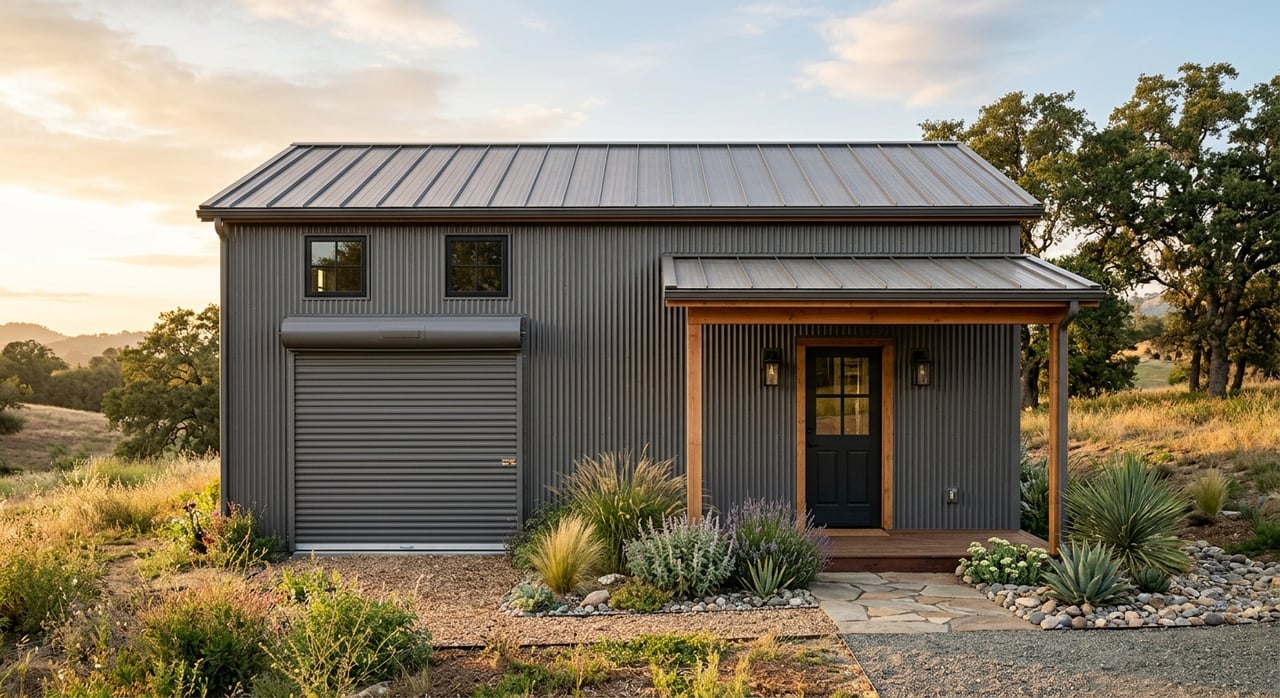
A shop-home usually means a residence paired with a shop space that stays accessory to the home. In Blanchard, that distinction matters because local rules focus on whether the property remains residential in character.
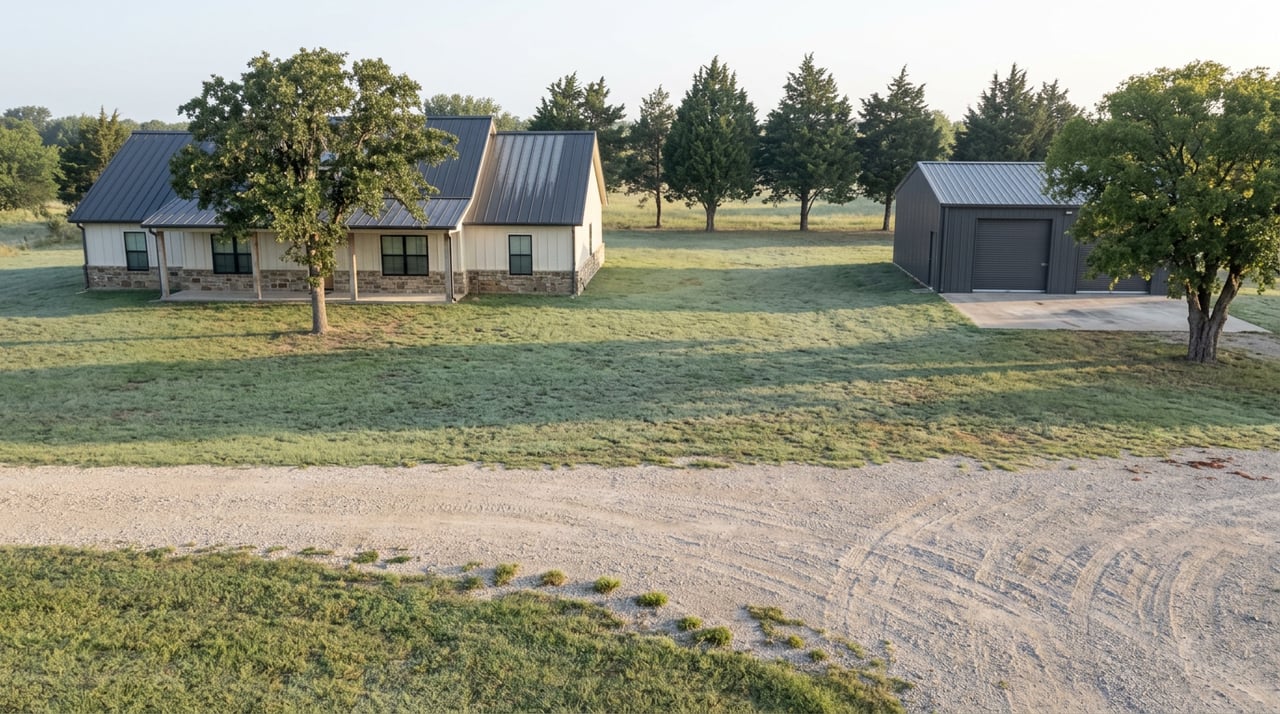
A barndominium-style home is often a larger-format home with a rural feel, usually on acreage or a larger lot. In Blanchard, that style may be a more natural fit where the parcel, zoning, and utilities can support the footprint and use.
Why Location Matters in Blanchard
Blanchard has several zoning districts, including A-1 Agricultural, R-1 Single-Family Residential, R-2, R-3, and R-E Residential Estates. The R-E district is described as single-family housing on large lots, while A-1 is intended to protect undeveloped areas from intensive uses until a use pattern is approved.
That matters because shop-homes and barndominium-style homes tend to fit more naturally on larger-lot or agricultural parcels than in tighter conventional subdivisions. If you are looking at acreage, the property may offer more flexibility than a standard in-town lot, but you still need to confirm the exact zoning and use requirements.
When a Shop-Home Makes Sense
A shop-home can be a strong fit in Blanchard if your main goal is to have a residence with room for hobbies, equipment, storage, or light work use. The key local issue is whether the shop remains incidental to the home.
Blanchard allows a home occupation inside the dwelling or in an associated accessory building on the same lot, but the use must stay residential in character. Outside storage generally needs to stay out of public view, nonresident employees are limited to one, and visible advertising signs are not allowed.
In plain terms, a true shop-home works best when the shop supports your daily living rather than making the property function like a commercial site. If your plan starts to look more like a business operation than a residence with an accessory building, you may run into zoning or permitting issues.
Good reasons to consider a shop-home
- You want a home with space for tools, hobbies, or equipment
- You need an accessory building on the same lot as your residence
- You want some flexibility for a qualifying home occupation
- You prefer a property that still reads clearly as residential
When a Barndominium May Be Better
A barndominium-style home may be the better fit if you want a larger footprint, more rural character, and a site that can handle the full build setup. In Blanchard, these homes often make the most sense on acreage or on parcels where setbacks, access, utilities, and septic needs can all be addressed early.
This is where buyers sometimes focus on the style and overlook the site. A barndominium is not just about the building type. It is also about whether the land can support the whole project from permit approval through final inspection.
A barndominium may fit if you want
- More land and a rural lifestyle feel
- A larger building footprint
- Room for a shop, barn, or other accessory structures
- A property where utility and septic planning are part of the purchase decision
Permits Can Make or Break the Plan
In Blanchard, new construction is a permit-driven process. The city’s residential building permit packet requires documentation such as a deed or proof of legal lot-split approval for non-platted parcels, a site plan with setbacks and driveway location, and utility and septic or well information.
Depending on the property, you may also need a percolation or soil test, a floodplain development permit, and a driveway permit. The city states that no construction or footing pours may begin without an approved building permit.
For buyers, this means the real question is not just, “Do I like this home style?” It is also, “Can this site satisfy the city’s requirements from the start?” If the answer is unclear, you want that sorted out before you get too far down the road.
What your site plan should help answer
- Are the setbacks workable for the home and shop layout?
- Is driveway access approved or likely to be approved?
- Will the property need septic, well, or sewer planning?
- Is a soil or percolation test required?
- Is any part of the site affected by floodplain rules?
Inspections and Occupancy Matter
Blanchard’s permit process does not stop at approval. Builders must pass foundation, frame, electrical, plumbing, mechanical, roofing, and final inspections before a certificate of occupancy is issued.
An occupancy permit is required after the structure is complete. That is especially important for shop-homes and barndominium-style properties because lenders, insurers, and future buyers often want to see a completed residential product, not unfinished shell space.
If you are buying a property that is partially built or recently converted, clean documentation can matter just as much as the floor plan. Missing permits or incomplete final approvals can create delays and extra cost.
Financing Questions to Ask Early
Financing for this type of property is not always as simple as financing a standard resale home. In practice, buyers should ask early whether the lender will treat the project as standard site-built housing, a construction-to-permanent build, or a mixed-use property that needs extra underwriting because of the shop portion.
That early conversation can save you a lot of stress. A lender’s view of the property may affect your timeline, down payment expectations, and documentation requirements.
Ask your lender these questions
- Will this be financed as standard site-built housing?
- Is construction-to-permanent financing required?
- Is the loan structure one closing or two closings?
- Does the shop area create mixed-use underwriting concerns?
- What documentation will be needed before closing or conversion?
Insurance Is Not a Small Detail
Insurance can also look different for a shop-home or barndominium than for a typical tract house. The Oklahoma Insurance Department notes that homeowners coverage does not include home businesses, and sewer backup or water backup plus earthquake coverage are generally excluded from most policies but may be available as endorsements.
The research also notes that detached structures may fall under other-structures coverage, and flood is not covered by a standard homeowners policy. Premiums can be influenced by the type of construction, age, local fire protection, coverage amount, and deductible.
That means a metal building or a home with a large detached shop may not be priced or classified the same way as a more typical in-town house. Before you commit, make sure your insurer understands exactly how the property is laid out and how you plan to use it.
Insurance topics to confirm
- How detached shops or sheds will be classified
- Whether business equipment is covered
- Whether flood coverage is needed separately
- Whether sewer backup or earthquake endorsements make sense
- How the construction type may affect premium pricing
County and City Status Matter Too
One Blanchard detail that buyers should not overlook is location within Grady County or McClain County, plus whether the parcel is inside city limits. City service information notes different routing for residents in Grady County versus McClain County.
That means you should confirm the parcel’s county and city-limits status before assuming the same process applies from one property to another. Two homes with a Blanchard address may not follow the exact same path.
What the Local Market Suggests
Blanchard’s estimated population reached 10,013 as of July 1, 2025, which reflects 13.5% growth from the April 1, 2020 base. The city also shows a 79.6% owner-occupied housing rate and a median owner-occupied value of $295,000.
MLSOK’s 2025 annual report lists 388 closed sales in Blanchard, a median sales price of $350,000, 64 days on market, and 98.4% of list price received. Compared with the broader regional numbers in that report, Blanchard had a higher median sales price and longer days on market.
For unique properties like shop-homes and barndominiums, that points to an important takeaway: buyers are active, but unusual homes still need tight pricing, solid documentation, and early financing and insurance answers. The more questions you answer up front, the smoother your move can be.
A Simple Way to Decide
If you want hobby or light-work flexibility and the shop will stay clearly secondary to the residence, a shop-home may be the better Blanchard fit. If you want a larger rural-style home on acreage and the site can support the building, utilities, access, and septic needs, a barndominium-style home may make more sense.
Either way, the right property is about more than curb appeal. It is about whether the zoning, permit path, financing, and insurance all line up with your goals.
If you are considering a shop-home or barndominium in Blanchard, having a local team help you ask the right questions early can save you time and money. Stephanie Adams can help you evaluate land, compare property options, and move forward with clear next steps.
FAQs
What zoning should you check for a shop-home in Blanchard?
- You should confirm the parcel’s zoning district and whether your intended use fits outright, needs a conditional use permit, or may require a variance.
What makes a shop-home different from a commercial property in Blanchard?
- In Blanchard, the key issue is whether the shop remains incidental to the residence and the use stays residential in character, with limits on outside storage visibility, nonresident employees, and signage.
What permits may a barndominium need in Blanchard?
- Depending on the site, you may need a residential building permit package with a site plan, setback details, utility and septic or well information, plus possible driveway, floodplain, or soil testing documentation.
What financing questions should you ask for a Blanchard barndominium or shop-home?
- You should ask whether the property will be financed as standard site-built housing, as a construction-to-permanent loan, or as a property needing added underwriting because of the shop portion.
What insurance issues matter for a shop-home in Blanchard?
- You should confirm how detached structures are covered, whether any business-related use affects coverage, and whether separate flood or optional endorsements like sewer backup or earthquake coverage are needed.
Why does county location matter for property in Blanchard?
- Buyers should confirm whether the parcel is on the Grady County or McClain County side of Blanchard, along with city-limits status, because the service or permitting path may differ.